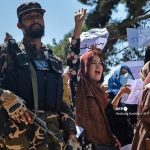
On Tuesday, August 12, 2025, the U.S. Department of State released its annual global human rights report, just days before the fourth anniversary of Taliban rule in Afghanistan. The Afghanistan section paints a grim and alarming picture: a sweeping, systematic crackdown—particularly on women and girls—that, according to the report, amounts to **“crimes against humanity.”**
According to the report, the Taliban have intensified their stranglehold on women’s lives by enforcing laws rooted in their extremist ideology: banning women from working, denying them access to education, prohibiting free movement, and erasing their presence from much of public life.
Citing findings by Richard Bennett, the UN Special Rapporteur on the situation of human rights in Afghanistan, the report highlights that human rights defenders, legal professionals, and protesters—many of them women—have been subjected to enforced disappearances, with numerous cases documented.
The statistics reveal the scope of the crisis:
39% of Afghan women aged 15 to 49 were married before the age of 18.
In 2023, at least 342 boys under the legal age were recruited into Taliban forces, with 150 used in combat.
The ban on girls’ education and severe economic hardship have pushed families to sell their young daughters. According to The Washington Post, in one camp in Herat province alone, 118 girls were sold as brides, and 116 other families had put their daughters up for sale.
Bennett warns that forced marriages often come with further abuses, including rape, torture, forced pregnancy, and forced labor.
The State Department report also outlines a broader picture of Afghanistan’s grim reality: severe restrictions on freedom of expression and media, threats and violence against journalists, censorship, targeted and extrajudicial killings, enforced disappearances of former military personnel and political opponents, torture, restrictions on religious freedom, human trafficking, and continued Taliban reprisals against those with ties to the former government.
However, the report’s release triggered sharp criticism from Human Rights Watch (HRW). The organization revealed that key sections concerning certain countries had been altered or deleted—actions that, HRW says, have undermined the report’s credibility and politicized it.
HRW warns that by weakening the integrity of this report, the U.S. has put human rights defenders at greater risk, eroded protections for refugees, and weakened the global fight against authoritarianism. The organization described large portions of the report as an effort to **“whitewash and deceive”**, noting that the human rights record of U.S.-friendly governments had been distorted.