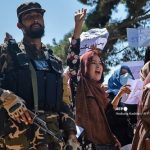


Members of the Independent Coalition of Afghan Women’s Protest Movements have reacted to the UN’s “Mosaic” plan for engagement with Taliban-ruled Afghanistan, urging UNAMA to publicly and transparently share the details of the plan with the Afghan people.
On Friday, May 3, the protesting women issued a statement calling the UN’s proposed engagement strategy a “repetition of the failed Doha peace process.”
The Independent Coalition of Afghan Women’s Protest Movements expressed deep concern over the plan, describing it as a form of indirect engagement with the Taliban. According to them, the initiative may serve the interests of the Taliban if it lacks a firm stance on human rights violations.
The coalition also warned against the marginalization of women and the Afghan public, demanding genuine inclusion of women and civil institutions in any dialogue process.
The statement reads:
“Any political process that excludes women and lacks the consent of the Afghan people must be avoided. Otherwise, this initiative—like the Doha process—will be non-transparent and devoid of public legitimacy.”
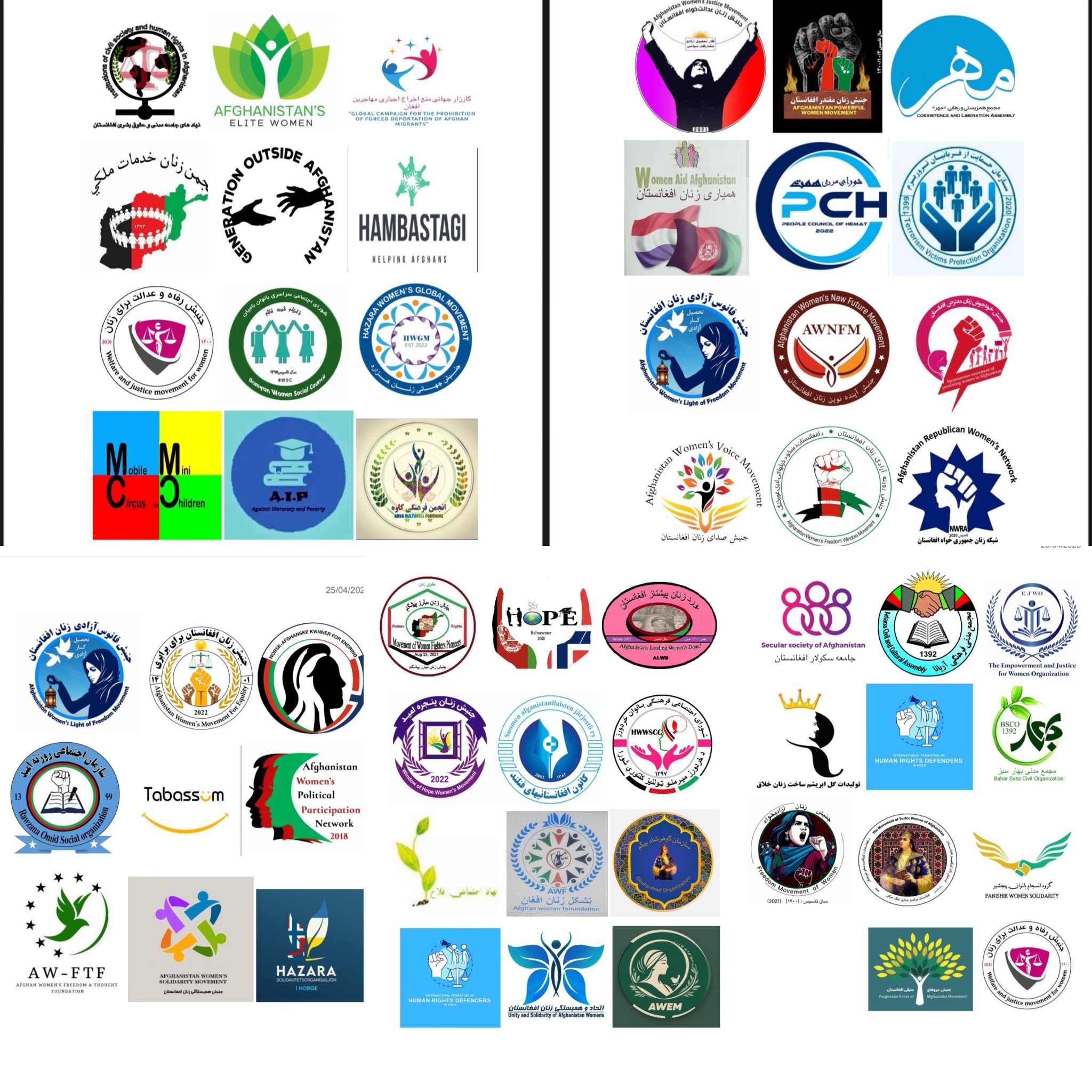
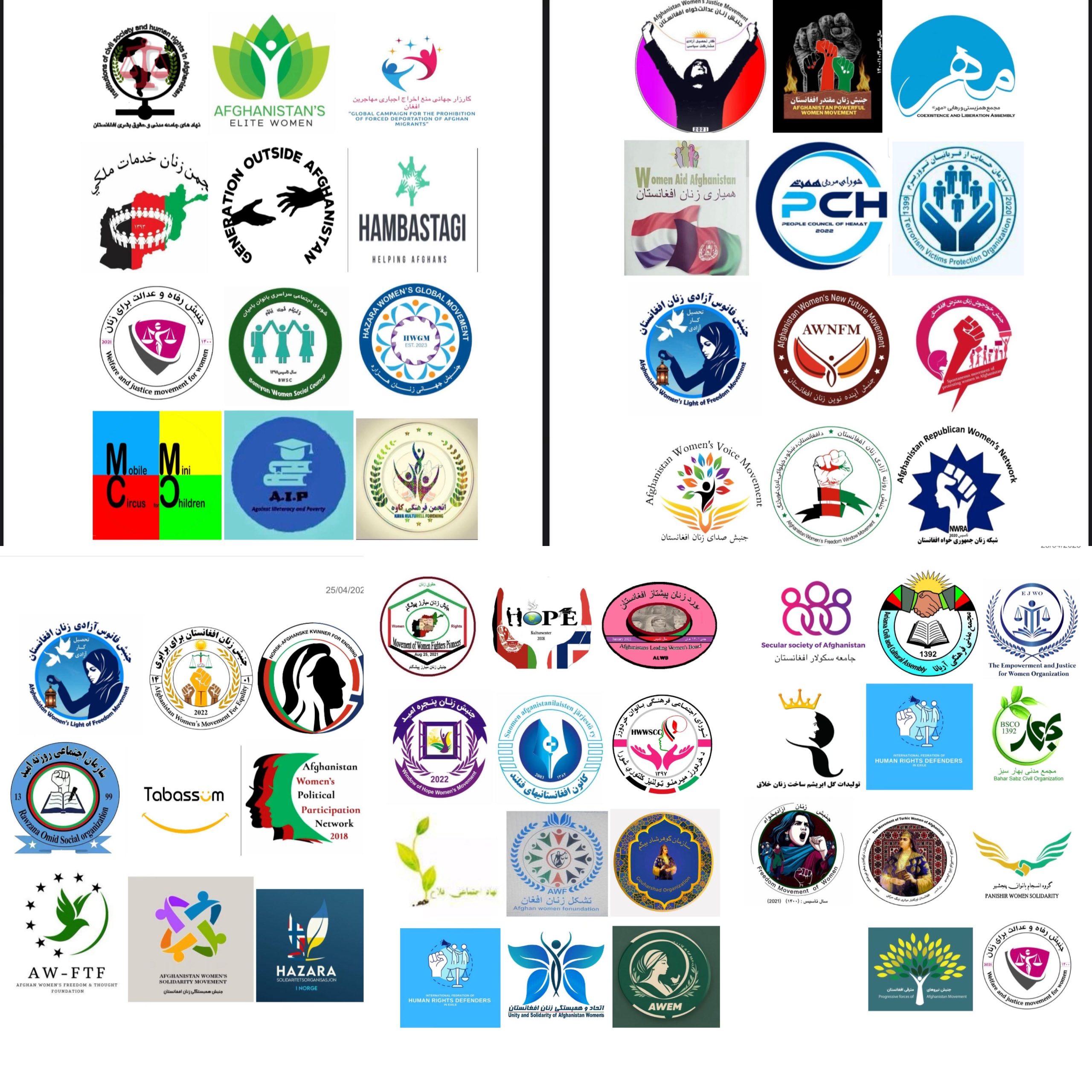
Previously, a group of 54 Afghan civil society organizations and women’s protest collectives also denounced the UNAMA plan as a deviation from the UN’s original mission, protesting the exclusion of the Afghan people from decision-making processes.
According to the plan, the United Nations is calling for an inclusive government, counter-terrorism efforts, and the restoration of women’s rights to work and education. In return, the Taliban demand international recognition, the lifting of sanctions, and the release of frozen Afghan assets. A six-month timeframe has been proposed for the implementation of the plan by both the international community and the Taliban administration.