


by Leila Noori (pseudonym)
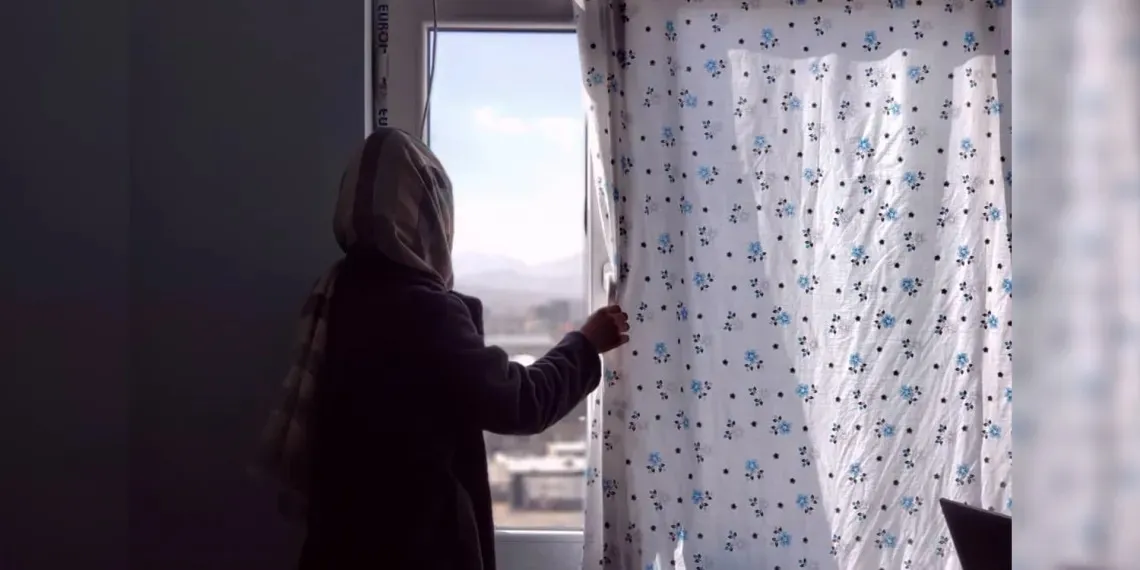
It’s 5:30 a.m. The call to prayer echoes from the small mosque next to our house in Karte-Sakhi. The pale light of dawn peeks through my bedroom window. I might have slept only three hours last night; the anxiety of an upcoming online job interview kept me awake until near daybreak.
For the past month, I’ve been secretly working with an international media organization—writing reports, sending analysis, trying to be a voice for the women who have been silenced behind these walls and shadows. But everything must remain hidden. Even my family doesn’t know exactly what I do.
They know I write—but not for whom, not where, and certainly not at what cost.
I prepare a quick breakfast—black tea, a piece of dry bread—and try to keep my voice steady as I tell my mother, “I’m going out with a friend today, I might be late.”
She just looks at me. That familiar look—a mix of suspicion, worry, and reluctant acceptance. She knows her daughter is no longer the naïve girl she once was. But she asks no questions. Just a faint smile—a smile more like a silent farewell than consent.
I get into a yellow taxi. The driver is an old acquaintance of my father’s. From the dusty alleyways to the hills of Dehmazang, every second I brace for a checkpoint. Last night, I spent three hours scrubbing my phone’s memory clean. WhatsApp, Twitter, notes. Even a childhood photo of me beside the tricolor flag.
“Everything is a crime now, Leila,” I whisper to myself.
The driver suddenly interrupts my thoughts:
“There’s a Taliban checkpoint ahead. Put your phone at the bottom of your bag.”
I switch off the phone and slip it under my headscarf. My hands are trembling.
Minutes later, one of them approaches—his face covered, gun in hand. His gaze lingers on my face. I lower my head, staring at the buttons on my coat.
He asks, “Where are you going?”
The driver replies, “I’m taking her to the hospital.”
Without another word, he lets us pass.
But I feel like I’ve just walked through a minefield—my heart pounding, my hands numb.
I arrive at a friend’s house. She’s set up a safe space for me to quietly connect to the world from Kabul. I open my laptop, launch Zoom, and prepare for the interview. A European organization is looking for an undercover journalist in Afghanistan.
The questions begin:
“Why do you want to be our reporter?”
I don’t know what to say. A thousand words swirl in my head but my tongue is dry. The only thing I manage to say is:
“Because writing is my way of staying alive. Because here, every day, being a woman means fighting.”
Throughout the interview, my audio and video cut in and out. Weak internet. Severe anxiety. That constant dread—what if someone hears, what if someone finds out…
But at the end, the interviewer says a sentence that lights a small flame of hope in me:
“We need brave women. We need Kabul’s voice.”
I close my eyes and smile. A silent smile—just like my mother’s that morning.


