


In a recent article, Forbes has issued a stark warning that under the Taliban’s “gender apartheid regime”, the mental health of Afghan women has reached a breaking point. The magazine criticized the global silence surrounding the crisis, emphasizing that this tragedy not only continues in silence—but is worsened by it—and will cost more lives.
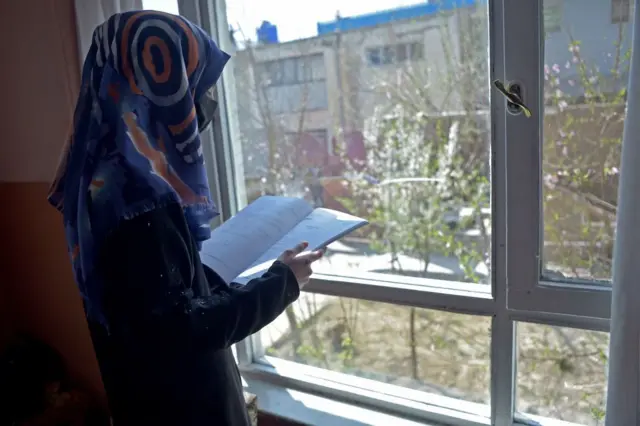
In the article published Monday, Forbes, citing human rights organizations, reported that suicide rates among Afghan women and girls have increased as a result of the Taliban’s escalating restrictions.
Since the Taliban’s return to power in August 2021, they have systematically stripped women and girls of their rights. Over the past three years, Afghan women have faced sweeping bans in education, employment, public mobility, and social and political participation.
Even as the international community assumed conditions for Afghan women couldn’t deteriorate further, the Taliban continued to invent new methods to enforce deeper repression.
On May 1, 2025, the United Nations Assistance Mission in Afghanistan (UNAMA) reported that the Taliban have enforced decrees to eliminate women from public life and restrict their freedom of movement.
These restrictions have had profound effects on the physical and mental well-being of women and girls across the country. A 2024 UN Women report revealed that 68% of respondents knew at least one woman or girl suffering from anxiety or depression, and 8% said they knew someone who had attempted suicide.
Marselina Amin, founder of Girls Toward Leadership, warned:
“The situation is so dire, just talking about it brings them to tears. They are in a cage—no education, no movement, no self-expression.”
She added:
“The dreams these girls built in their minds are now gone. They don’t even have the words to explain what’s happening. Every girl I’ve spoken with has mental health issues, but they can’t talk about it.”
The removal of women’s rights and the lack of access for international observers have made it increasingly difficult to report on conditions in Afghanistan. International journalists are banned from entering the country, and Afghan media outlets have either been shut down or operate under severe restrictions and censorship.
Forbes concluded its report by asserting that Afghan women and girls urgently need the support of the international community to reclaim their basic human rights. Without ensuring women’s rights in Afghanistan, the international community cannot justify any normalization of relations with the Taliban.


Thanks for sharing. I read many of your blog posts, cool, your blog is very good.